
Acne may disappear, but the marks left behind can sometimes remain for weeks or months. If you notice brown, grey or darker areas where a pimple previously appeared, you may be experiencing dark spots after acne, commonly associated with post-inflammatory hyperpigmentation (PIH).
These marks can be frustrating, particularly when new acne has already stopped. Understanding why they appear and building a consistent skincare routine can help improve the appearance of dark spots and uneven skin tone.
In this guide, we’ll explain what causes dark spots after acne, which skincare ingredients can help improve their appearance, and how to build a simple routine for clearer-looking skin.
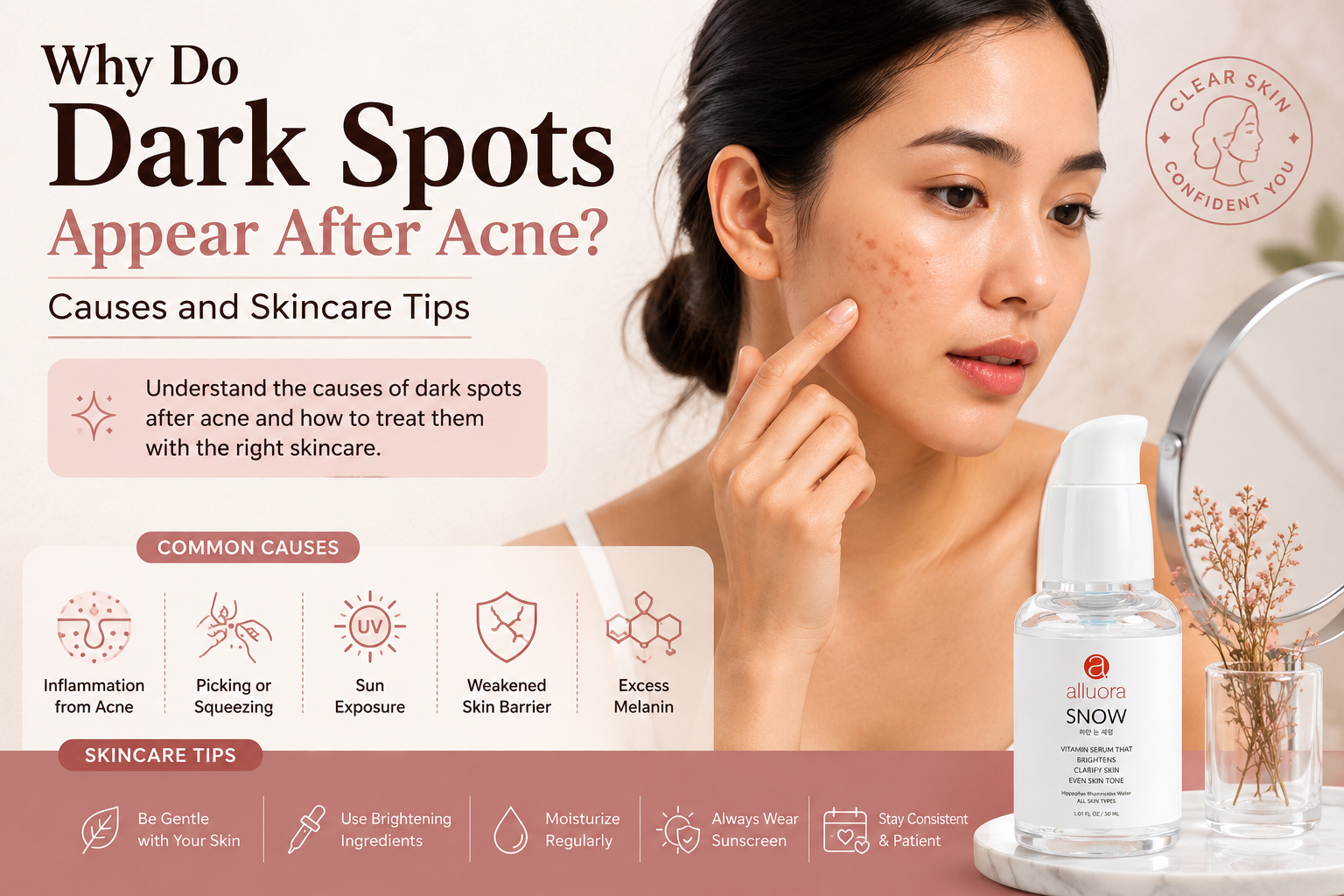
When acne develops, the skin experiences inflammation. After the blemish heals, the affected area may produce excess melanin, leaving behind a darker mark.
This is why a pimple can disappear while a dark mark remains.
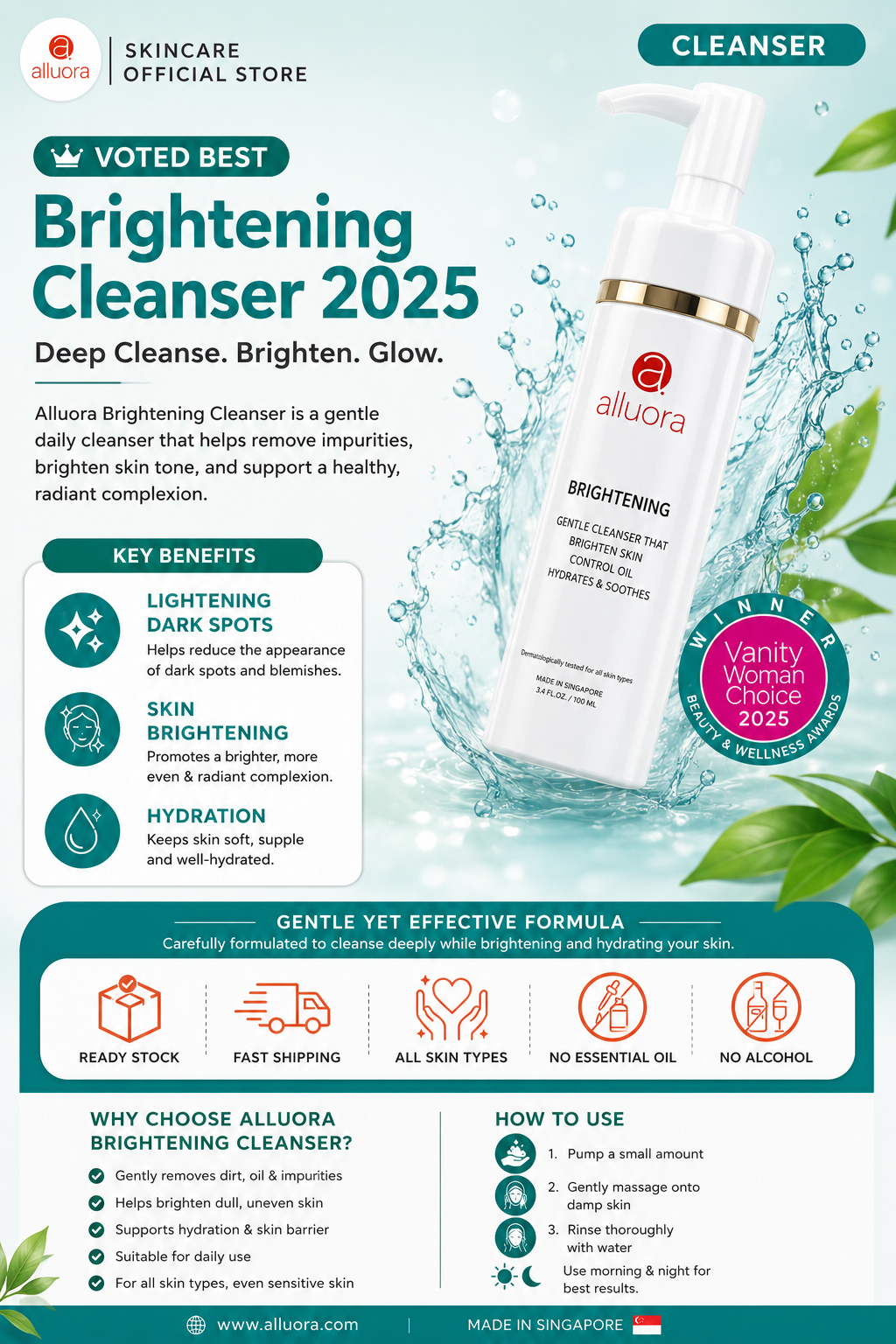
Common factors that can contribute to dark spots after acne include:
These marks can appear on the cheeks, forehead, chin, jawline and other areas where acne frequently occurs.
Dark spots after acne are areas of pigmentation that remain after an acne lesion has healed.
They are different from an active pimple because there is no longer a raised or inflamed blemish. Instead, the main concern is the change in skin colour.
Post-acne marks may appear:
The appearance and duration of these marks can vary significantly from person to person.
If you are unsure whether a mark is post-inflammatory hyperpigmentation, acne scarring or another skin condition, a dermatologist can provide a proper assessment.
One of the most common mistakes when dealing with acne is picking or squeezing pimples.
Physical manipulation can increase inflammation and irritation. This can make the resulting mark more noticeable and potentially prolong the appearance of discoloration.
Instead of picking at a breakout:
Preventing additional inflammation is an important part of managing post-acne dark spots.
Yes, sun exposure can make pigmentation more noticeable.
UV exposure can stimulate melanin production, which can contribute to uneven-looking skin tone.
This is particularly important in Singapore because the skin can experience regular sun exposure throughout the year.
If dark spots are your primary skincare concern, make sunscreen an essential part of your daytime routine.
A simple morning routine can be:
Cleanser → Serum → Moisturiser → Sunscreen
When choosing products for dark spots, look for formulations containing ingredients commonly used for brightening and uneven skin tone.
Niacinamide, also known as Vitamin B3, is widely used in skincare for supporting a more even-looking complexion and skin barrier.
It can be a useful ingredient for routines focused on:
Alluora Snow Serum contains Niacinamide as part of its brightening-focused formula.
Alpha-Arbutin is commonly included in skincare formulations designed to improve the appearance of uneven pigmentation.
It is particularly relevant when building a routine focused on the appearance of:
Alluora Snow Serum contains Alpha-Arbutin alongside Niacinamide, Ascorbyl Glucoside and Glutathione.
Vitamin C and its derivatives are commonly used in brightening skincare.
Alluora Snow Serum contains Ascorbyl Glucoside, a Vitamin C derivative, while Alluora Boost Serum contains L-Ascorbic Acid together with Vitamin E, Ferulic Acid and Hyaluronic Acid.
Vitamin C-focused skincare can be particularly useful for people looking to improve the appearance of dullness and uneven-looking skin.
Glutathione is an antioxidant used in some brightening skincare formulations.
Alluora Snow Serum includes Glutathione as part of its formula alongside other brightening-focused ingredients.
A dark-spot routine shouldn’t focus exclusively on pigmentation.
Keeping the skin hydrated can help maintain a healthy-looking skin barrier.
Alluora Snow Serum contains Sodium Hyaluronate, Panthenol, Allantoin and Betaine, ingredients commonly used to support hydration and skin comfort.
You don’t need a complicated routine to start addressing the appearance of dark spots.
Cleanse your face to remove excess oil, sweat and impurities.
Apply a targeted serum according to its product instructions.
Use a moisturiser suitable for your skin type.
Finish with sunscreen during the daytime.
Sun protection is particularly important when uneven pigmentation is a concern.
Remove sunscreen, makeup, excess oil and environmental impurities.
If toner is part of your skincare routine, apply it after cleansing.
Apply your chosen serum according to the manufacturer’s directions.
Finish with a moisturiser to support skin hydration.
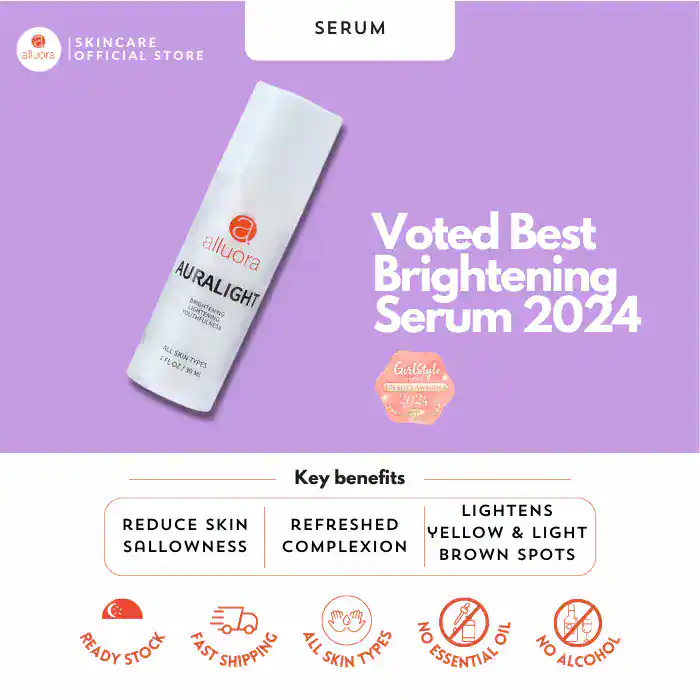
If you’re looking for a targeted serum for dark spots and uneven skin tone, Alluora Snow Serum is formulated specifically around brightening and pigmentation concerns.
Its current ingredient list includes:
The official Alluora product page describes Snow Serum as a formula designed to help prevent recurring pigmentation and improve the appearance of dark spots and uneven skin tone.
According to Alluora’s product instructions, apply a small amount to the face and neck after cleansing and toner, followed by moisturiser and sunscreen. The brand also advises avoiding contact with the eyes and wounds and discontinuing use if irritation occurs.
There is no universal timeframe.
The appearance of post-acne dark spots can depend on:
Instead of expecting overnight results, focus on a consistent routine and avoid repeatedly irritating the affected area.
Prevention is just as important as treating existing marks.
Reducing unnecessary irritation can help minimise the risk of additional post-acne marks.
Protect your skin from UV exposure during the day.
Using too many exfoliating or active products can irritate the skin.
Give your skincare routine time to work instead of changing products frequently.
If you experience frequent or severe acne, treating the underlying acne can help reduce the number of new marks that develop.
These terms are often confused.
Dark spots after acne primarily refer to changes in skin colour following inflammation.
Acne scars can involve changes in the skin’s texture, such as:
A serum designed for pigmentation may help improve the appearance of discoloration, but it should not be assumed to correct structural acne scars.
For persistent or significant acne scarring, professional dermatological advice may be more appropriate.
More products don’t necessarily mean better results.
Combining multiple strong active ingredients can increase irritation.
If pigmentation is your concern, leaving sunscreen out of your routine is a major gap.
Picking can increase inflammation and contribute to additional post-acne marks.
Dark spots generally require consistency and patience.
Ingredients found in kitchen or household remedies may irritate the skin. A formulated skincare product designed for facial use is generally a more controlled option.
Dark spots can appear after acne because inflammation can trigger increased melanin production in the affected area. The resulting pigmentation may remain after the original blemish has healed.
A consistent routine involving gentle cleansing, targeted brightening ingredients, moisturisation and daily sun protection can help improve the appearance of post-acne dark spots over time.
Many post-acne dark marks can become less noticeable over time. The timeframe varies depending on factors such as pigmentation depth, skin type, sun exposure and skincare consistency.
Niacinamide is commonly used in skincare routines targeting uneven skin tone and pigmentation concerns. It can also support the skin barrier.
Vitamin C and its derivatives are commonly used in brightening skincare. Alluora offers both Ascorbyl Glucoside in Snow Serum and L-Ascorbic Acid in Boost Serum.
Yes. Daily sun protection is an important part of a routine focused on maintaining an even-looking complexion because UV exposure can contribute to pigmentation.
This depends on the specific formulation. Follow the manufacturer’s instructions and introduce active skincare products gradually, particularly if your skin is sensitive.
Dark spots after acne are a common skincare concern, but the right approach is about more than simply finding a dark spot remover.
Avoid picking acne, protect your skin from UV exposure, maintain hydration and choose targeted skincare ingredients that suit your skin.
Ingredients such as Niacinamide, Alpha-Arbutin, Vitamin C derivatives and Glutathione can be incorporated into brightening-focused routines. Alluora Snow Serum combines several of these ingredients, including Niacinamide, Alpha-Arbutin, Ascorbyl Glucoside and Glutathione.
With a consistent routine and good sun protection habits, you can work toward a more even-looking and radiant complexion.
For persistent, worsening or unusual pigmentation, consult a qualified dermatologist for personalised advice.

© 2025 Alluora Pte Ltd (Tax Number: 201306743W). All Rights Reserved. All Rights Reserved.