
Healthy, radiant skin is often associated with good skincare and overall wellness. However, many people notice that their complexion gradually becomes dull, uneven, or tired-looking despite cleansing regularly and using skincare products. If your skin no longer has the healthy glow it once had, there is usually an underlying reason.
Dull skin is not a skin type—it is a condition caused by factors such as sun exposure, dehydration, pollution, dead skin cell buildup, and changes in skin renewal. The good news is that these concerns can often be improved with the right skincare routine and ingredients.
Skin brightening is not about changing your natural skin colour. Instead, it focuses on restoring your skin’s natural radiance by reducing the appearance of dark spots, improving hydration, refining skin texture, and promoting a more even-looking complexion.
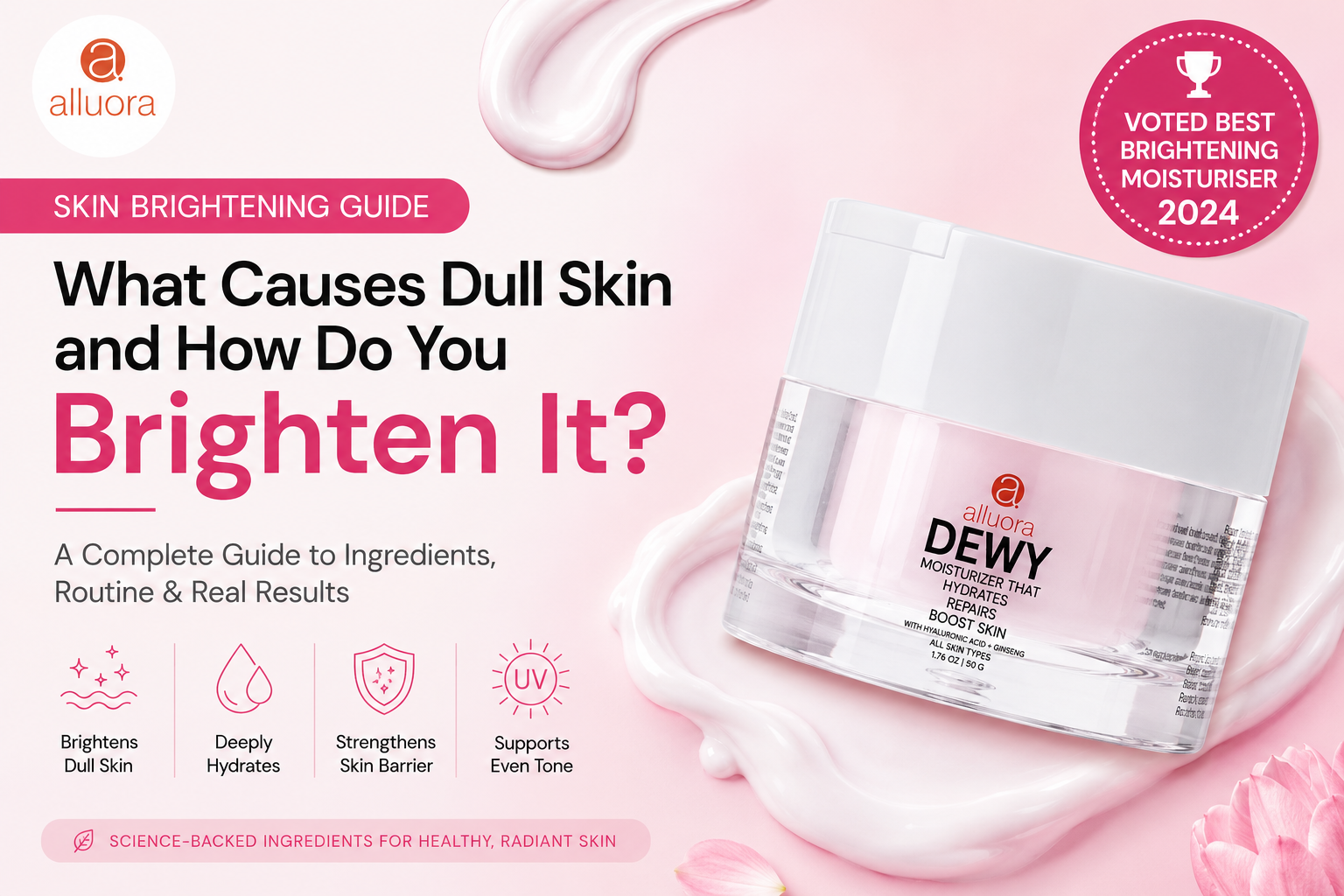
Modern skincare ingredients such as Niacinamide, Vitamin C, Alpha Arbutin, Tranexamic Acid, Hyaluronic Acid, Ferulic Acid, Vitamin E, and Glutathione have been extensively studied for their ability to improve skin clarity and reduce the appearance of pigmentation. When combined with daily sun protection and a consistent routine, these ingredients can help reveal healthier-looking skin over time.
In this complete guide, you’ll learn:
Whether your concern is uneven skin tone, acne marks, pigmentation, or a lack of radiance, this guide will help you understand what works and how to build a routine that delivers long-term results.
Skin brightening is the process of improving the overall appearance of your skin by enhancing clarity, reducing the appearance of pigmentation, and restoring a healthy-looking glow. Rather than changing your natural complexion, skin brightening helps your skin look more even, refreshed, and radiant.
Many people mistakenly confuse skin brightening with skin whitening, but they are not the same.
Skin whitening refers to altering the skin’s natural colour, whereas skin brightening focuses on improving skin quality by addressing concerns such as:
A proper skin brightening routine supports the skin’s natural renewal process while protecting it from environmental stressors that contribute to dullness.
Your skin naturally renews itself approximately every 28 days when you’re younger. As you age or experience environmental damage, this renewal process slows. Dead skin cells remain on the surface longer, making the complexion appear rough, dry, and tired.
At the same time, exposure to ultraviolet (UV) rays, pollution, and inflammation can increase melanin production. Excess melanin accumulates in certain areas of the skin, leading to visible pigmentation, dark spots, and uneven tone.
Skin brightening products work by targeting one or more of these concerns:
When used consistently, brightening products can help reveal smoother, healthier-looking skin while maintaining your natural complexion.
Dull skin is usually caused by several factors working together rather than a single issue. Understanding these causes helps you choose the right skincare products and habits.
Healthy skin naturally sheds old cells and replaces them with new ones. When this process slows, dead skin cells accumulate on the surface, making the skin look rough, dry, and uneven.
This buildup also prevents skincare products from absorbing effectively, reducing their overall benefits.
Common signs include:
Gentle chemical exfoliants such as lactic acid or glycolic acid can help remove this buildup while supporting smoother skin.
Many people believe only dry skin becomes dull, but dehydration affects every skin type—including oily skin.
When the skin lacks water, it loses its natural plumpness and smooth appearance. Fine lines may become more noticeable, and the complexion often appears tired.
Common causes include:
Hydrating ingredients like Hyaluronic Acid, Glycerin, and Panax Ginseng Extract help replenish moisture and improve the skin’s overall appearance.
Daily exposure to ultraviolet (UV) rays is one of the leading causes of uneven skin tone and pigmentation.
When exposed to sunlight, the skin produces melanin to protect itself from UV damage. Over time, this process can lead to:
Even brief periods outdoors without sunscreen can contribute to cumulative damage. This is why dermatologists consistently recommend broad-spectrum SPF as an essential part of every brightening routine.
Environmental pollutants generate unstable molecules known as free radicals. These molecules damage collagen, weaken the skin barrier, and contribute to premature ageing.
People living in urban environments may notice that their skin appears dull by the end of the day due to exposure to:
Antioxidants such as Vitamin C, Vitamin E, Ferulic Acid, and Glutathione help defend the skin against oxidative stress.
Pigmentation occurs when certain areas of the skin produce more melanin than others.
This may happen due to:
Brightening ingredients such as Niacinamide, Alpha Arbutin, and Tranexamic Acid are widely used to reduce the appearance of uneven pigmentation over time.
Your skin repairs itself while you sleep. Poor sleep quality can slow this repair process, leaving your complexion looking tired and dull.
Chronic stress may also increase cortisol levels, which can affect skin hydration and overall appearance.
Developing healthy sleep habits, staying hydrated, and following a consistent skincare routine can support healthier-looking skin.
Heavy makeup, sunscreen, and skincare products can leave residue on the skin if they are not properly removed.
Over time, this buildup can:
Using a gentle cleanser every morning and thoroughly cleansing in the evening helps keep the skin fresh and prepared for the rest of your skincare routine.
As we age, several natural changes occur within the skin:
These changes can contribute to a duller complexion over time. A skincare routine that includes hydrating, antioxidant-rich, and brightening ingredients can help improve the appearance of ageing skin while supporting a healthier skin barrier.
If you’re unsure whether a skin brightening routine is right for you, look for these common signs:
If you recognise several of these concerns, introducing targeted brightening ingredients and maintaining a consistent routine can help restore a smoother, more radiant appearance over time.
FREQUENTLY ASKED QUESTIONS
Q: What causes dull skin?
A: Dull skin is most commonly caused by dead skin cell buildup, dehydration, sun damage, oxidative stress from pollution, poor circulation, lack of sleep, and heavy product buildup on the skin’s surface.
Q: What is the difference between skin brightening and skin whitening?
A: Skin brightening improves your skin’s natural radiance and reduces dark spots and uneven tone — it works with your existing skin tone. Skin whitening aims to change your overall complexion, often using stronger and potentially harmful ingredients.
Q: Which ingredient is best for brightening dull skin?
A: Niacinamide is the most versatile — it works for all skin types, reduces dark spots, and regulates oil. For stubborn dark spots specifically, alpha arbutin or tranexamic acid deliver stronger targeted results.
Q: How long does it take to brighten skin?
A: Most people see improved texture and less dullness within 2–4 weeks. Visible fading of dark spots takes 6–8 weeks. Consistent daily use of SPF is essential to prevent new pigmentation from forming.
Q: Can I brighten my skin without harsh chemicals?
A: Yes. Niacinamide, alpha arbutin, and lactic acid are all gentle, well-researched brightening ingredients suitable for sensitive skin. Daily SPF and consistent hydration also brighten skin without any active exfoliation.
Q: What is the fastest way to brighten dull skin?
A: Chemical exfoliation (AHA 2–3x per week) combined with a Vitamin C serum in the morning produces visible results the fastest. Adding daily SPF prevents new pigmentation from undoing the progress.
Q: Is skin brightening suitable for oily skin?
A: Yes. Oily skin often looks dull due to dead cell buildup and dehydration. Niacinamide is especially effective for oily skin — it brightens while also reducing excess sebum and minimising pores.

© 2025 Alluora Pte Ltd (Tax Number: 201306743W). All Rights Reserved. All Rights Reserved.